
Runaway and Homeless Youth Shelter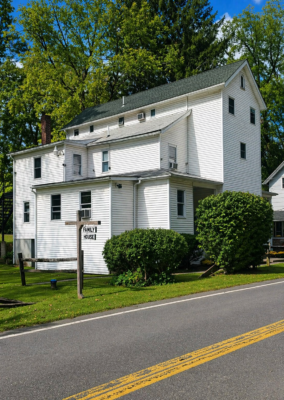
Address:949 Creek Locks Road
Rosendale, NY 12472
Phone: (845) 338-5953
Mailing Address:
PO Box 3516
Kingston, NY 12402
Phone: (845) 338-5953

FAMILY HOUSE AT A GLANCE
A safe, short-term place for youth to rest, stabilize, and move forward.Family House helps the youth we serve rediscover their value as individuals, develop independent living skills, and connect with a caring community as a pathway toward becoming future leaders.
Our 14-bed shelter is a short-term, voluntary, community-based program for youth ages 12-17, where young people choose to engage in services and work toward personal and family goals. The program provides a safe and supportive place to stay for young people who have left home or are experiencing crisis. Services are delivered in a confidential, respectful environment that prioritizes each youth’s safety and dignity.
Who We Serve
Family House serves youth ages 12–17 who are experiencing challenges at home or in the community and need a safe, short-term place to stabilize and regroup.
Youth for whom Family House is a viable option:
- Are experiencing family conflict, crisis, or disruption
- Have left home or are at risk of leaving home
- Need time to cool down, reflect, and reset
- Are open to engaging in a voluntary, supportive environment
- Can safely participate in a community-based, non-secure setting
- Strengthen communication and relationships
- Support family reunification whenever possible
- Maintain or reconnect youth with school and community supports
- Build coping skills and independent living skills
- Locked or secure supervision
- Intensive psychiatric or medical care
- Inpatient or hospital-level treatment
- Ongoing management of high-risk behaviors that cannot be safely supported in an open, community setting
The typical length of stay is short-term, generally ranging from approximately 14 to 30 days. During this time, youth and their families work closely with staff to set meaningful goals—such as working toward family reunification, continuing education, exploring vocational opportunities, and connecting to ongoing supports.
Family House does not provide intensive or long-term residential or clinical care. We serve youth who can safely participate in a structured, community-based setting. When a youth’s needs extend beyond this level of care, staff work with families and community partners to connect them to appropriate long-term or higher-level services.
All residents are encouraged to learn and demonstrate the program’s seven Core Values, which shape expectations, relationships, and daily life within the program.
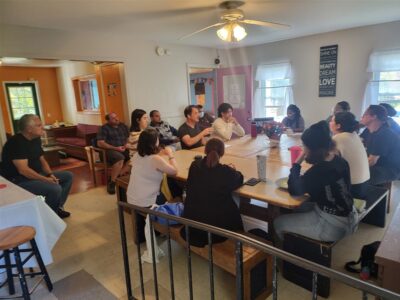 FAMILY HOUSE SEVEN CORE VALUES
(1) UNITY – To be non-judgmental and understand the concept of teamwork and helping each other.
(2) DIGNITY – To exemplify that you are unique, important, with valuable skills and talents.
(3) RESPECT – To treat others with kindness and as you would like to be treated.
(4) INTEGRITY – To be trustworthy and honest and do the right thing even when nobody is watching.
(5) GRATITUDE – To be thankful and show appreciation for one’s accomplishments as well as for others.
(6) RESPONSIBILITY – To show that you are independent by exemplifying good decision-making skills.
(7) ACCOUNTABILITY – To understand that you are responsible for your actions (positive and negative).
Family House residents are expected to comply with a Daily Schedule which helps to delineate some of their responsibilities. The program has implemented a new Level System which is intended to measure each young person’s performance. During this time, they are encouraged to demonstrate responsible decision making. As an example, the youth could use their influence and leadership skills to form healthy relationships and positively support new residents. Overall, during a young person’s stay the resident will be expected to work towards their education, develop independent living skills/complete household chores, maintain appointments (which include family/guardian meetings), and participate in a diverse set of activities and groups. Some of the more recent themes of educational/motivational workshops may include:
- Self-Care & Decision Making
- Job Readiness
- Healthy Relationships
- Financial Literacy
- Creative Writing & Arts
- Nutrition
- Emotional Management & Conflict Resolution
- Culinary Skills
PROGRAM EXPERIENCE
Family House residents participate in a structured daily schedule that promotes consistency, responsibility, and independence. Youth are supported in working toward their education, attending appointments (including family/guardian meetings), completing daily living tasks, and engaging in meaningful programming. Youth are provided with basic needs, including meals, clothing, and a safe place to rest.Staff provide consistent support, guidance, and supervision, building positive relationships with youth throughout their stay. The program includes a Level System that encourages growth, accountability, and leadership. Youth are supported in building healthy relationships and contributing positively to the community.
WORKSHOPS AND ACTIVITIES MAY INCLUDE
Building Emotional Awareness and Relationships- Emotional Management & Conflict Resolution
- Healthy Relationships
- Self-Care & Decision Making
- Crisis Management and Coping Skills
- Building Self-Esteem and Personal Identity
Preparing for Independence
- Academic Support and Tutoring
- Job Readiness
- Financial Literacy
- Goal Setting and Individualized Planning
Developing Daily Living Skills
- Nutrition
- Culinary Skills
- Daily Living Responsibilities, including household chores
Strengthening Family and Support Systems
- Family Communication and Conflict Mediation
- Personal Safety Planning and Risk Awareness
- Understanding and Navigating Systems (school, legal, social services)
- Creative Writing & Arts
- Guest speakers and community partners who facilitate groups and workshops
- Opportunities to participate in community events and activities
- Occasional recreational outings that support engagement and positive experiences
REFERRALS
Youth ages 12–17 may be referred when they need a safe place to rest, stabilize, and reconnect with support systems. Each referral helps us determine whether Family House is the right fit and how we can best support the youth’s needs.PROGRAM OVERVIEW
Staff: 9 full-time / 9 part-time and per diemProgram Director: Robert Molina, MSW
Access: 24 hours a day, 7 days a week
Family House provides emergency shelter for up to 14 runaway and homeless youth, ages 12–17. While regulations allow for stays of up to 30 days, the program typically operates as a short-term placement (approximately 14 days), during which youth and families actively work toward reunification and connection to ongoing supports. Extensions may be considered on a case-by-case basis. Parental consent is not required for the initial 30-day stay, in accordance with New York State regulations. Family House is licensed by the New York State Office of Children and Family Services (OCFS).
ANCILLARY SERVICES
- Individual, family, and group counseling
- Life skills training
- Access and advocacy for educational, medical, legal, and mental health services
- Support for youth involved in the juvenile justice and Family Court systems
- Aftercare planning and continued support
HOW TO ACCESS / CONTACT
For referrals or more information, please contact Family House:📞 (845) 338-5953
24-hour support is available through Family of Woodstock’s hotline:
📞 (845) 679-2485