
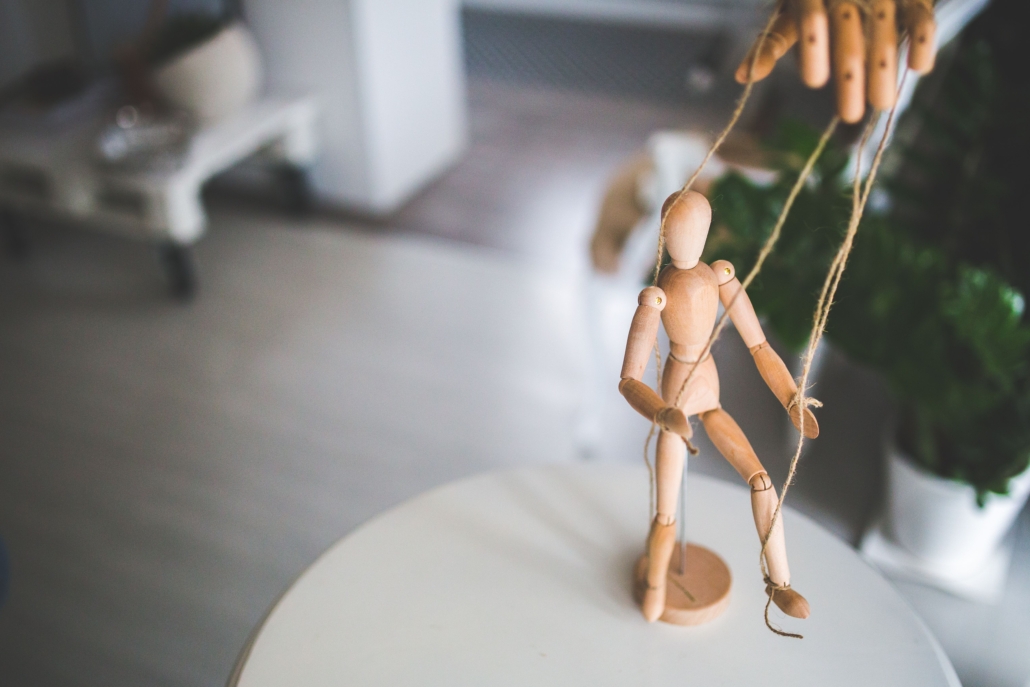
When Love Turns to Control: What 14 Years of Listening to Survivors Has Taught Me
Domestic Violence is a field I’ve been working at Family of Woodstock for 14 years. When I started in 2012, I knew very little about domestic violence. I knew the definition:
Domestic violence is a pattern of abusive behavior in any relationship that is used by one partner to gain or maintain power and control over another intimate partner. It can be physical, sexual, emotional, economic, psychological, or technological actions or threats of actions or other patterns of coercive behavior that influence another person within an intimate partner relationship. This includes any behaviors that intimidate, manipulate, humiliate, isolate, frighten, terrorize, coerce, threaten, blame, hurt, injure, or wound someone.
But the definition was the easy part. I could read it, digest it, intellectually understand it and still miss the point entirely. What l expected was that I’d be able to readily identify abusers and abusive relationships. The abuser would look angry and disgruntled. Probably the person would be someone who is easy to dislike. I imagined victim as a certain kind of person, too—submissive, passive, collapsed. Someone who appears weak or vulnerable. That’s what I imagined and that is what I expected.
That is not what I found.
Domestic Violence Abusers Are All Around Us
What I’ve learned since is that many domestic violence abusers appear daily in plain sight, living “normal” lives with nearly all the people around them not knowing about their abusive behaviors. They can be super successful in their careers, live in big houses, drive nice cars, have a family, go on vacations, and be upstanding members of the community. As for survivors, they are very often not collapsed at all. They are strong. They don’t show the physical and emotional results of their abuse. They get really good at obfuscating incidents so their abuser’s reputation isn’t harmed.
Survivors Are Mad…at Themselves?
 I’ve also learned that survivors are mad. Really mad. But I assumed they would be mad at their abusers. What I found was they were just as likely to be mad at themselves. They would ask themselves: “How did I let this happen?” They look back on their relationship, one in which they thought they found a person that they could love and trust. And they feal duped, and blamed themselves for not seeing the signs. Over and over, I listened to stories of survivors being swept off their feet, in love, “connected.” They found a person who had promised them everything they thought they wanted. A person that their family and friends liked, too. A likeable person, a charming person, a person that it seemed easy to trust. A person that seemed to love them and only them.
And then that person hurt them. In the context of this love and trust that the violence would take place. It would often start small: critical behavior, icy silences, emotional ups and downs, jealousy. All of this would be explained and reasoned by the abuser who very often would suggest it was because they loved the person so much that they didn’t want to share them, or lose them. And things would start to change. The equality dynamic in the relationship would shift to a power imbalance. This person who seemed so right would become very wrong. And once it started to change, it did not change back—or if it did return to the “way things were,” it didn’t stay that way for long.
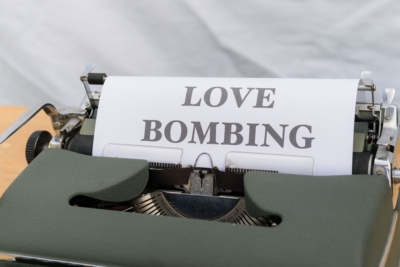
Love Bombing: A New Term for a Common Signal of Things to Come
The University of Colorado defines love bombing as:
A term used to describe overwhelming and often incongruent affection during the early stages of a friendship or dating relationship. One person goes above and beyond to please the other person by giving excessive compliments, pushing for commitment or more time together, making grand gestures and sending over-the-top gifts. Rather than feeling cared for or connected, the outcome makes the recipient feel uncomfortable, overwhelmed, or manipulated.
It is a common term used to identify the early stages of an abusive relationship. A term that I think actually does not do justice to the early stages of these rapid and intimate connections. Love bombing, leaves out the reality that it was the victims actual love for the abuser that was kindled, fostered, developed, and secured. Hundreds of women have told me these stories of “true connection” of sexual intimacy, and of feeling that they had finally found the one. In a world full of non-committal men, these men defied the odds. They not only wanted intimacy rapidly but they often wanted commitment rapidly too: living together, marriage, kids, homes. Things that many women grow up dreaming about—these men offered, rapidly. “It seemed like he was the one.” “He loved me so much, wanted kids, wanted to move in, wanted this relationship.” “Everybody likes him.”
A Potentially Dangerous Disappearing Act
It seemed like they were set up for a long and happy relationship. But then it starts. That perfection they craved and seemingly received slowly and incrementally disappeared. Story after story I heard detailed a same sense of confusion, self-doubt, and hurt that would accompany this switch from love bombing to control seeking. The more the person scrambled to get their loving partner back, the less available any version of that person seemed to be. And, to make it worse, he would still be charming, funny, and nice to outsiders. The outward appearance was charming, a great parent, an active community member, a great colleague. But behind the scenes? A different story, and one that confuses the victims more than anyone.
Victims I’ve spoken with defined what I now know to be true: domestic violence lives in silence. Shame, fear, confusion abound. Abuse victims are more confused and exhausted then clear they are victimized. They have been trying to manage themselves, maybe their children, and someone who behaved increasingly more often like an intolerant boss. They were demanding. An unreasonable desire to know not only where they were, but who they were with, and why, and when they were coming home. What they were coming home to, was also a constant fear.
The accounts of this decline seem to more often than not result in the victim’s self-blame. They feel the demise of their once-perfect relationship is their fault. And not only that, it’s their job to fix it. Over time the victim’s anxiety rises as they scramble to get the partner back that they thought they had. And meanwhile, who can they admit to that that they not only picked the wrong partner, but now think this one might be dangerous?
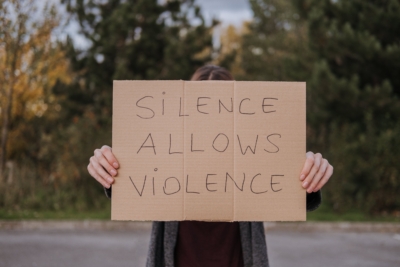
Shame Dictates…Don’t Tell Anyone.
Shame, fear, and the requisite confusion abounds. Abusers blame their partners, and victims often blame themselves, too. Victims feel responsible and scramble to change while their abusive partners (now secure in their control) increase the tension, increase the demands. They don’t alert anyone to the behavior, they fear calling the authorities, and perhaps most dangerous of all, they think it will get better.
And it might seem to briefly improve. Threatened with the victim calling the police or moving out, the abuser often says, “I’ll do better. I’ll change. I won’t do that again.” And maybe that happens…for a day or two, or a month, but the change is not real and it does not last. The majority of the time, victims tell me that the behavior nearly always returns. Now they too are stuck in a cycle of rupture and repair that really doesn’t involves actual, permanent repair. It’s rupture and then manipulation. The victim is stuck wanting to believe that their loved one has really changed, or can really change, only to be disappointed and confused when the same controlling, cruel, or dangerous behavior returns.
So, 14 years and hundreds of interactions with domestic violence survivors later, I still hear the same stories, patterns, excuses, fear and sadness. Even further back, Family of Woodstock has been providing support to survivors for more than 55 years. And things are, in some ways, better than they were. People are openly talking about domestic violence. Help is more readily available than ever. Conversations about changing the power dynamic that dictates so much of societal norms are happening. And yet, we still get more than 1,000 calls to our hotline from victims needing help. Our shelter is almost always full. Our counselors work with hundreds of clients each year.
If we are going to significantly reduce and even eliminate domestic violence, all I can say is:
We have a lot more work to do.
If you or someone you know is in a relationship that sounds like this, please know you are not alone and help is available.
Family of Woodstock Non-Residential Domestic Violence Services (M-F, 9-5): 845-331-7080
Family of Woodstock 24/7 hotline and text line: 845-679-2485
DV Survivor Safety & Relocation Fund
